Quick Answer: Cancer is a condition in which cells grow abnormally and are able to spread to other parts of the body.
INTRODUCTION:
Cancer is an illness that can affect anyone regardless of age, and it can happen in any part of the body. Though cancer might be alarming to hear about, it will not hurt to have some knowledge about cancer for you to spot some warning signs and know the various risk factors associated with the disease.
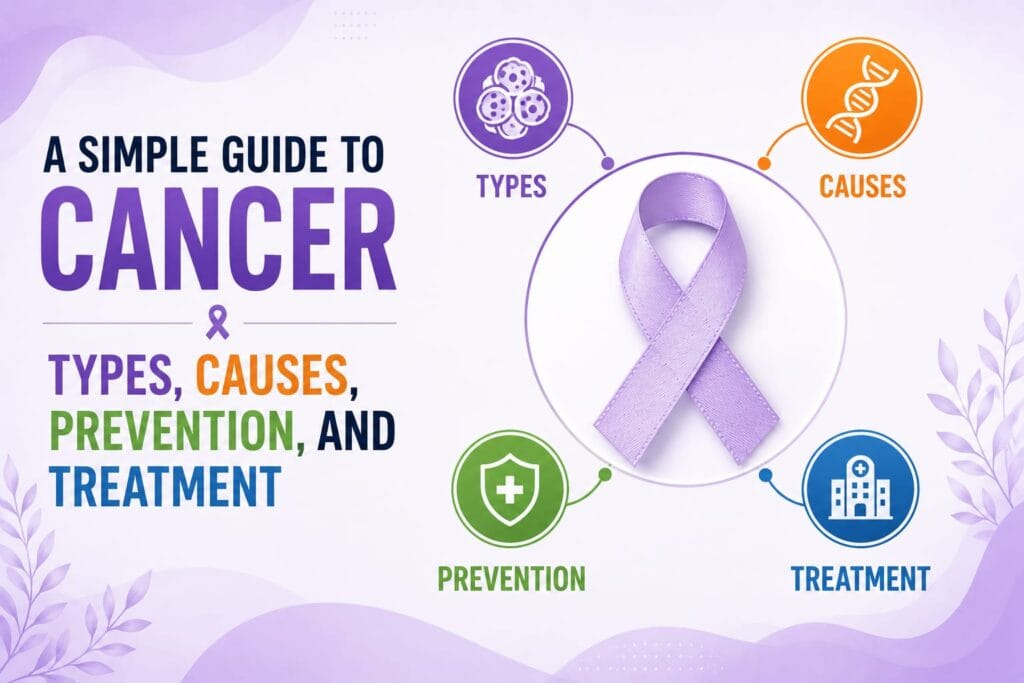
This blog discusses cancer from a layman’s point of view, such as what cancer is and its causes and risk factors, as well as the importance of early detection and prevention.
WHAT IS CANCER?
Cancer is a disease in which some of the body’s cells grow uncontrollably and can spread to different parts of the body. Cancer can start anywhere in the human body.
The normal cell cycle in humans is to grow cells, and the cells will multiply to form new cells because the body needs them. When the existing cells grow and die, the new cells take their place.
Sometimes this life cycle will break down and lead to the growth of abnormal cells that multiply abnormally. These abnormally grown cells will form tumors. Tumors are of two types: benign and malignant.
The tumors that are cancerous invade nearby tissues, and they may travel to different places in the body to form new tumors. This process is known as metastasis. Cancerous tumors are known as malignant tumors. Whereas benign tumors do not invade different parts of the body, if the benign tumor is in the brain, it can cause serious symptoms/be life-threatening.
HOW DOES CANCER DEVELOP?
Cancer starts in many ways, but it is always benign with a change in the DNA of a cell. This change can occur due to some risk factors, or sometimes mutations may occur inside the cell. Once this change happens, it may lead to improper growth and division of cells.
COMMON TYPES OF CANCER
1. BREAST CANCER
Breast cancer is one of the most prevalent cancers among women, even though it may also affect men. It is caused by the abnormal division and growth of cells within the breast, leading to the formation of a mass or a lump. Some breast cancers remain localized within the breast, whereas others may spread to adjacent organs or other parts of the body.
It is important to note that breast cancer is not just one type of cancer but comprises several different kinds of cancers that may have varying characteristics such as development, speed, and response to treatments. Early detection may lead to early stages of the disease being detected and treatment being applied.
2. LUNG CANCER
Lung cancer is a form of cancer that starts from the cells within the lungs. Lung cancer affects the ability to breathe normally and in some instances metastasizes to other parts of the body. The two major types of lung cancers are
Non-small cell lung cancer (NSCLC)
Small cell lung cancer (SCLC)
| Feature | Non-small cell lung cancer (NSCLC) | Small cell lung cancer (SCLC) |
| What it is | Most common lung cancer, comprises most lung cancer cases | Less common but more aggressive kind |
| Growth | Usually grows and spreads slowly | Usually grows and spreads rapidly |
| Common types | Adenocarcinoma, squamous cell carcinoma, large cell carcinoma | Small cell carcinoma, combined small cell carcinoma |
| Spread | Can remain localized for a while but may metastasize to lymph nodes and other body parts | Often spreads early to other parts of the body |
| Symptoms | Coughing persistently, chest pain, difficulty breathing, coughing up blood, unintended weight loss | Similar to NSCLC: persistent cough, chest pain, breathlessness, unexplained weight loss |
3. ORAL CANCER
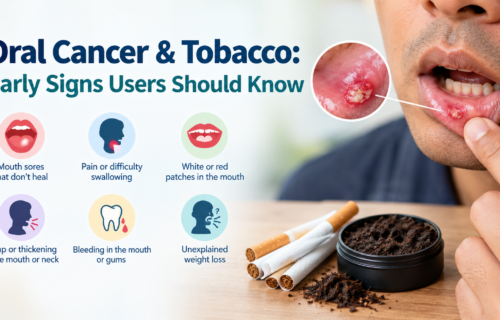
Oral cancer refers to cancer of the mouth tissue. It occurs in areas such as the lip, tongue, gums, inner cheek, bottom of the mouth, and the hard palate. Some signs you can detect include an unexplained sore, lump, bleeding, pain, or any change in how the part of your mouth looks or feels. Nevertheless, these signs may be caused by other problems apart from cancer.
4. COLORECTAL CANCER
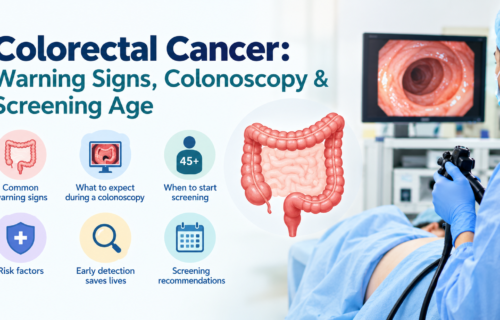
Colorectal cancer is a form of cancer that occurs in the colon or rectum, which are segments of the large intestine. The cancer usually starts with a polyp, which is a small growth that forms inside the colon or rectum. Though most polyps are harmless, a few of them may develop into cancer over time. Some of the symptoms include change in bowel movements, blood in the stool, abdominal pain, unexplained weight loss, or fatigue.
5. PROSTATE CANCER
Prostate cancer starts from the abnormal growth of cells in the prostate gland. The prostate gland is a tiny organ that forms part of the male reproductive system. It is located under the bladder and in front of the rectum. Most prostate cancers are slow-growing and do not present any symptoms at their onset. Symptoms that arise include problems with urination, such as inability to urinate, weak flow of urine, frequent need to urinate, or presence of blood in the urine or semen.
6. CERVICAL CANCER
Cervical cancer occurs in the cervix, which is the lower part of the uterus that opens into the vagina. Cervical cancer is caused by the infection of specific high-risk human papillomavirus (HPV). In early stages of cervical cancer, no symptoms may be seen. However, some of the signs of the advanced stage include unusual vaginal bleeding, vaginal bleeding after sexual intercourse, unusual vaginal discharge, and pelvic pain.
7. SKIN CANCER
Skin cancer is caused by the abnormal growth and multiplication of skin cells. Prolonged exposure to ultraviolet (UV) light from the sun or artificial sources increases the risk of developing skin cancer. There are three common types of skin cancer, which include basal cell carcinoma, squamous cell carcinoma, and melanoma.
| Type | Cell origin | Common locations | Appearance | Growth and spread |
| Basal cell carcinoma (BCC) | Basal cells of the skin’s epidermis | Sun-exposed areas: face, neck, hands | Bright bump, a sore that does not heal, or a sore that bleeds or crusts repeatedly | Most common type; usually grows slowly and does not metastasize but can cause harm to the adjacent tissues if left untreated |
| Squamous cell carcinoma (SCC) | Squamous cells of the skin’s epidermis | Areas where sun exposure is common but can occur anywhere | Rough patch, a raised area, or a sore that does not heal | May grow further into the skin and even spread to other areas of the body if left untreated |
| Melanoma | Melanocytes (pigment cells) | Can appear anywhere, even on existing moles | A change in a mole’s size, shape, color, or appearance, or a new growth | Less common than BCC and SCC, but may be more aggressive and spread to other areas of the body |
CAUSES AND RISK FACTORS
| Category | Risk factor | How it may increase cancer risk | Examples / notes |
|---|---|---|---|
| Lifestyle-related | 1. Tobacco | Consists of carcinogens that may harm DNA and thus raise the risk of certain cancers | Cancers of mouth, lungs, throat, esophagus, bladder |
| Lifestyle-related | 2. Alcohol intake | Frequent or heavy use may lead to cell damage and cancer development. | Cancers of mouth, throat, esophagus, liver, breast |
| Lifestyle-related | 3. Diet, overweight, obesity, and physical inactivity | Obesity, poor nutrition, and physical inactivity may pose a risk via metabolic and hormonal factors. | Cancers of the colon/rectum, breast, and uterus |
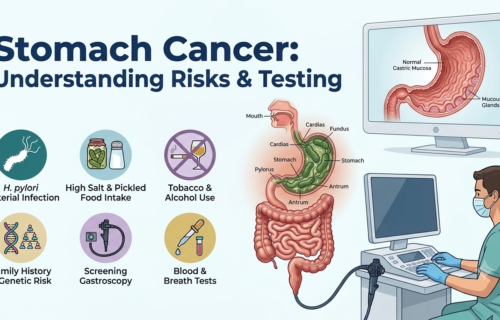
| Infectious | 4. Infections | Certain pathogens may lead to chronic inflammation or cellular changes that may raise risk. | HPV, HBV, HCV, H. pylori |
| Environmental | 5. Contaminants | Contact with pollutants or chemicals found in air, water, and soil may increase risk. | Air pollution and industrial pollutants |
| Environmental / food-related | 6. Contaminants in food | Some toxins generated naturally by fungi may damage cells and raise risk | Aflatoxin in poorly preserved grains and nuts, especially associated with liver cancer |
| Occupational | 7. Workplace exposure | Repeated contact with carcinogens in the workplace may increase risk. | Asbestos, some industrial substances, and dust |
| Medical / treatment-related | 8. Pharmaceutical drugs | Certain drugs may increase risk, especially long-term use and certain groups of people. | Certain immunosuppressants, some hormone therapies, and certain chemotherapeutic drugs |
| Hormonal/reproductive | 9. Hormonal and reproductive factors | Exposure to certain hormones and other reproductive factors throughout a lifetime may affect the risk of certain cancers. | Age at menarche/menopause, reproductive history, obesity, some hormone therapies |
| Radiation-related | 10. Ionizing radiation | May damage DNA and raise risk when exposure is high enough | Repetitive X-rays or radiotherapy, some occupational exposures Sun exposure, tanning beds |
| Radiation-related | 11. Ultraviolet (UV) radiation | May damage DNA in skin cells and raise the risk of skin cancers | Sun exposure and tanning beds |
| Immune-related | 12. Immune suppression | A compromised immune system may lower the body’s ability to control abnormal cells and cancer-causing infections | HIV infection, immunosuppressive therapy |
| Genetic | 13. Genetic predisposition | Genetic mutations inherited from parents may increase the risk of certain cancers. | Some genetic mutations in BRCA1/BRCA2 genes increase risks for breast and ovarian cancers. |
SIGNS AND SYMPTOMS
- Tiredness and fatigue despite some rest; you might experience the same tiredness.
- Weight gain or loss of about 10 pounds.
- Eating issues, loss of appetite.
- Changes in the mouth; you might have sores and difficulty swallowing.
- Lumps and swelling in breasts, lymph nodes, or any other part of the body.
- Pain without any specific reason in any part of the body.
- Skin changes: appearance of new sores or moles that do not heal.
- Cough and hoarseness that persists.
- Unexplained bleeding and bruising.
- Change in bowel habits; changes in stool color, constipation.
- Blood in the stool.
- Bladder issues: pain during urination, blood in the urine, or urge to urinate frequently.
- Fever and night sweats.
- Headaches, problems with vision, or hearing problems.
CAN CANCER BE PREVENTED?
Some of the best methods to lower your chances of developing cancer include:
- Don’t use tobacco: Tobacco use is the primary cause of preventable cancer.
- Adopt a healthy lifestyle:
- Consume a balanced diet of fruits, vegetables, whole grains, and legumes.
- Avoid eating processed meat and red meat.
- Exercise regularly (at least 150 minutes of moderate exercise weekly).
- Have a healthy body weight.
- Drink alcohol only in moderation: Alcohol use is associated with increased risk of developing many types of cancer.
- Stay out of the sun: Use sunscreen, cover up with protective clothing, and avoid using tanning beds to lower your risk of developing skin cancer.
- Get immunized:
- HPV vaccination prevents cervical cancer, among other types of cancer.
- Hepatitis B vaccine lowers the risk of liver cancer.
- Minimize your exposure to cancer-causing substances: Adhere to safety measures at your workplace and avoid hazardous chemicals and radiation exposure.
- Undergo cancer screenings: Early detection or even prevention of cancer through screening is possible. Examples include mammograms, cervical screening, colorectal cancer screening, and CT scans for high-risk smokers.
DIAGNOSIS OF CANCER
Cancer can be diagnosed through three primary processes. These include the presence of cancer, the type of cancer, the stage of the cancer, and metastasis. Diagnosis of cancer can involve one or more of the following methods:
1. Medical History and Physical Examination
Questions are asked about the patient’s symptoms, medical history, and risk factors. The physical examination helps in determining the presence of any lumps, swelling, or other signs of cancer.
2. Laboratory Tests
The different body fluids like blood and urine are tested for any abnormalities. Different kinds of cancer may release certain substances in the blood called tumor markers. Laboratory tests by themselves cannot confirm the diagnosis of cancer.
3. Imaging Tests
Imaging is conducted to determine the presence of any abnormal areas or tumors in the body. The most common imaging techniques are: X-ray, ultrasound, CT scan, MRI, PET scan, and mammogram for breast cancer.
4. Biopsy
In some cases, a biopsy should be done to confirm the existence of cancer. During the biopsy process, a sample of the cells is collected and examined by the pathologist using a microscope to confirm whether the cells are cancerous or not and what kind of cancer they are.
5. Endoscopy
Endoscopy is the process whereby a thin tube with a camera is inserted into the body to examine particular regions of the body. When abnormalities are found, the piece of tissue can be removed for examination.
6. Genetic and Molecular Testing
Tests can be done to confirm the presence of cancer through the detection of genetic or molecular changes in the cells of cancer. These tests can help classify the kind of cancer and help in the administration of treatments.
7. Staging of cancer
Cancer is classified after diagnosis depending on a number of factors such as the size of the tumor, lymph node involvement, and metastasis.
TREATMENT OF CANCER
The treatment will depend on the type of cancer, stage of the disease, and the genes involved in the development of the cancer. The treatment can include:
Surgery: Excision of the local tumors.
Radiation: Uses high-energy radiation to destroy the cancerous cells.
Chemotherapy: Medications used to destroy fast-growing cancer cells.
Targeted therapy: Targets the molecules or genes involved in the cancerous cells without affecting the normal cells.
Immunotherapy: It stimulates the immune system of the body to destroy the cancerous cells. It is considered a breakthrough in the treatment of various types of cancer.
Hormonal therapy: Used in cancers that depend on hormones such as breast and prostate cancers.
Bone marrow or stem cell transplant: Used mainly in blood cancers.
Frequently Asked Questions
1.How does cancer affect the human body?
Cancer might cause you to develop abnormal cells that will not stop growing, and it could spread to other areas of the body and form lumps, bruising or bleeding, skin changes, weight loss or weight gain, bladder changes—such as pain when urinating—and fatigue.
2.What are the top 3 causes of cancer?
Tobacco consumption (smoking and passive smoking), being overweight and having bad nutrition (excessive body fat), and chronic infections (HPV, Hepatitis B and C, and H. pylori) are the three major preventable causes of cancer in the world. These factors affect the DNA of cells and cause the formation of tumors.
3.Can a cancer patient live long?
Yes, many cancer patients have a very long life. Currently, around seven out of ten patients are living for more than five years after being diagnosed due to new drugs and tests. Now, many forms of cancer can be treated as a chronic disease.
4.What if I have cancer?
In case you suspect you have cancer, consult a doctor without delay. Most of the symptoms, such as excessive fatigue, unexplained weight loss, or persistent pain, may be related to much less severe problems, but only a physician will be able to diagnose the true cause of your problems.
5.What is cancer awareness?
Cancer awareness is the process of informing people about the risk factors, prevention, and early detection of cancer. This will help to eliminate fear and stigma, instill good daily practices, and facilitate medical screening so that the disease is detected in time.
REFERENCES:
- Berdzuli N. Breast cancer: from awareness to access. BMJ [Internet]. 2023;380:290. Available from: https://pubmed.ncbi.nlm.nih.gov/36739115/
- Obeagu EI, Obeagu GU. Breast cancer: A review of risk factors and diagnosis. Medicine (Baltimore) [Internet]. 2024;103(3):e36905. Available from:
http://dx.doi.org/10.1097/MD.0000000000036905
- World Health Organization: WHO. Cancer [Internet]. Who.int. World Health Organization: WHO; 2019 July [cited 2026 Aug 16]. Available from: https://www.who.int/health-topics/cancer
- World Health Organization. Promoting Cancer Early Diagnosis [Internet]. www.who.int. 2022 [cited 2026 Aug 16]. Available from: https://www.who.int/activities/promoting-cancer-early-diagnosis
- Kaur R, Bhardwaj A, Gupta S. Cancer treatment therapies: traditional to modern approaches to combat cancers. Mol Biol Rep [Internet]. 2023;50(11):9663–7 6. Available from: http://dx.doi.org/10.1007/s11033-023-08809-3