Introduction
Essential nutrients are those substances that the body needs to grow, metabolize, and stay healthy. Most of these nutrients cannot be produced by the human body at the required levels, so they must be obtained through food. Proper nutrient intake is essential for maintaining physiological balance, supporting immunity, and preventing nutritional deficiencies. The key nutrients are carbohydrates, proteins, fats, vitamins, minerals, and water, which play vital roles in maintaining good health.
Important Groups of Necessary Nutrients.
1. Carbohydrates: Main Energy Hugo.
Carbohydrates are a significant source of energy to the human body. In the digestive process, the carbohydrates are digested to form glucose that cells utilize to generate energy to be utilized in doing physical activities and metabolism. Glucose is the major energy source to the brain.
The carbohydrates are differentiated into simple carbohydrates and complex carbohydrates. Sugars which are quickly digested and give instant energy, are a form of simple carbohydrate. Starch and fiber are components of complex carbohydrates, and they are more difficult to digest and more likely to provide energy that lasts longer.
Functions of Carbohydrates
- Supplies energy for the day-to-day activities.
- Preserve normal brain performance.
- Assist muscle action during exercise.
- Assist in the control of blood glucose.
Major Food Sources
- Rice and wheat
- Whole grains
- Fruits and vegetables
- Legumes and cereals
As they contain dietary fiber, vitamins, and minerals in addition to energy, complex carbohydrates are said to be healthier.
2. Proteins: Construction and Reconstruction of the Body Tissues.
Proteins are the most important nutrients that help to grow, maintain, and repair body tissues. They consist of amino acids, which are building blocks of cells and tissues. The human body needs twenty amino acids, nine of which are regarded as essential and need to be acquired through food.
Proteins are very important in preserving the mass of muscles, synthesizing enzymes and hormones, and immune reactions. They also participate in the movement of nutrients and the maintenance of fluid balance in the body.
Functions of Proteins
- Growth and repair of tissues
- Enzymes and hormone production.
- Generation of immune defense against antibodies.
- Maintaining muscle composition.
Dietary Sources
- Meat and poultry
- Fish and eggs
- Milk and dairy products
- Beans, lentils, and legumes
- Nuts and seeds
Protein intake is especially required during childhood, adolescence, pregnancy, and post-illness.
3. Fats: Cellular Support and Storage of Energy.
Fats are a valuable source of concentrated energy and are much in ensuring the health of cells. Fats are vital in increasing the absorption of fat-soluble vitamins like vitamins A, D, E, and K. Fats also help to protect important organs, body temperature, and brain development.
The dietary fats can be classified into saturated fats, unsaturated fats, and trans fats. Unsaturated fats are said to be good as they favor the health of the heart and lower the level of harmful cholesterol.
Functions of Fats
- Store energy over the long term.
- Protect internal organs
- Sustaining cell membrane structure.
- Fat-soluble vitamins aid in the absorption of fat-soluble vitamins.
Healthy Fat Sources
- Olive oil and vegetable oils
- Nuts and seeds
- Avocados
- Salmon and Tuna are fatty fish.
Eating moderately healthy fats helps to stay healthy in the heart and enhance metabolism.
4. Vitamins: Controls of Metabolical Processes.
Vitamins are organic substances that need minute amounts, but are necessary in controlling the biochemical functions in the body. They can be used as a coenzyme in metabolic pathways and aid in a lot of physiological processes.
There are two types of vitamins: the fat-soluble vitamins and the water-soluble vitamins.
Fat-Soluble Vitamins
These vitamins are accumulated in body tissues and contain:
Vitamin A – promotes vision and the immune system.
Vitamin D is required for calcium absorption and bone.
Vitamin E is an antioxidant.
Vitamin K – needed for blood clotting.
Water-Soluble Vitamins
These are the vitamins that are dissolved in water, and that should be taken regularly:
Vitamin C – helps in immunity and collagenation.
B-complex vitamins – help in the metabolism of energy and the work of the nervous system.
Food Sources of Vitamins
- Fruits and vegetables
- Whole grains
- Dairy products
- Meat and fish
A divergent diet takes care of the proper consumption of the various vitamins required to keep people healthy.
5. Minerals: Structural and Physiological Homeostasis.
Minerals are inorganic nutrients that aid in the growth of the body structure and also help to regulate a lot of physiological activities. They play an important role in sustaining bone density, transmission of nerve impulses, and muscle contraction.
Depending on the number of minerals needed in the body, the minerals are classified into major and trace minerals.
Major Minerals
These are the minerals that are required in greater quantities, and they are:
- Calcium
- Magnesium
- Potassium
- Sodium
Trace Minerals-The small quantities but important ones are these:
- Iron
- Zinc
- Iodine
- Selenium
Functions of Minerals
- Formation of bones and teeth
- Fluid balance maintenance.
- The making of red blood cells.
- Control of nerve and muscle activity.
Dietary Sources
- Dairy products
- Green leafy vegetables
- Whole grains
- Nuts and seeds
- Seafood
Proper intake of minerals ensures that the body functions normally and also avoids deficiency diseases.
6. Water: Important in Life Process.
Water is among the most important nutrients that are needed by the body. It takes up about 60 percent of total body weight and is a component of practically every physiological activity.
Water is a biochemical reaction medium, performing in the transportation of nutrients and oxygen to cells and aids in the elimination of the body’s byproducts.
Functions of Water
- Regulates body temperature
- Helps in the digestion and absorption of nutrients.
- Supplies the circulation of the blood.
- Gets rid of garbage by means of urine and sweat.
Importance of Hydration
Proper hydration enhances physical condition, maintains the brain, and avoids complexities associated with dehydration, like tiredness and migraines.
The amount of water needed per day is also determined by age, climate, and levels of physical activity, among other factors.
Significance of a Healthy Diet.
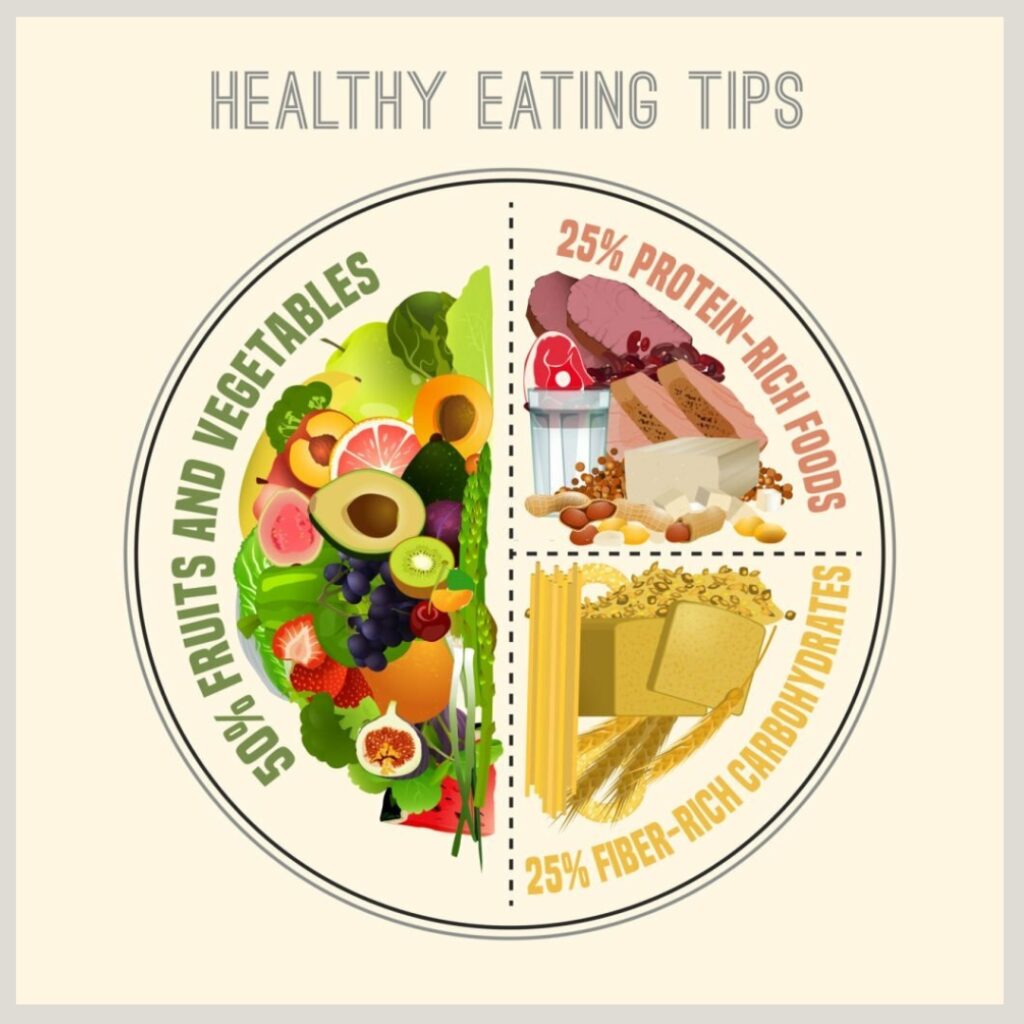
- A balanced diet gives the body all the nutrients needed in the right quantities. The large intake of food sources of various food groups provides an adequate amount of carbohydrates, proteins, fats, vitamins, minerals, and water.
- A well-balanced diet contributes to growth and development, increased immunity, energy production, and minimizes the risk of chronic diseases, including obesity, cardiovascular disorders, and diabetes. Proper dieting, along with physical workouts, is vital to sustained well-being and health.
Conclusion
Vital nutrients are important in sustaining good health and also normal body functions. The nutrients have certain functions in the production of energy, repairing of the tissues, maintaining homeostasis, and metabolism. A balanced diet is required to ensure the proper intake of carbohydrates, proteins, fats, vitamins, minerals, and water that maintain optimal health and prevent the occurrence of nutritional deficiencies.
Frequently Asked Questions (FAQs).
- What nutrients are critical?
Essential nutrients are substances that are needed by the body to grow, metabolize, and have normal functioning, but these substances cannot be obtained by the body in an adequate level.
- What are the numbers of the essential nutrients needed by the body?
It has six key nutrients, including carbohydrates, proteins, fats, vitamins, minerals, and water.
- What is the significance of carbohydrates to health?
Carbohydrates enable the body to supply energy needed for brain activity, body movements, and metabolism.
- What are the functions of proteins in the body?
Proteins assist with the development of tissues, repairing, the production of enzymes, and the immunological response.
- Does the body require fats?
Yes, fats are sources of energy, aid in cell structure, and in the absorption of fat-soluble vitamins.
- What is the distinction between minerals and vitamins?
Vitamins are organic, and minerals are inorganic components that the body needs.
References
- Human Nutrition – Michael J. Gibney et al.
- World Health Organization. Healthy Diet Guidelines.
- Food and Agriculture Organization. Human Nutrition and Dietetics.
- Nutrition: Concepts and Controversies – Frances Sizer & Ellie Whitney.
- National Institutes of Health. Dietary Reference Intakes for Nutrients.
Reviewed by : Nitin Sharma