India is known for its rich cultural traditions, diverse cuisines, and strong family systems. However, rapid urbanization and modernization have also brought significant changes in lifestyle patterns. As a result, the country is witnessing a sharp rise in lifestyle diseases, also known as non-communicable diseases (NCDs).
Lifestyle diseases develop mainly due to unhealthy habits such as poor diet, physical inactivity, chronic stress, smoking, and excessive alcohol consumption. Once considered problems primarily affecting developed nations, these diseases have now become one of the most serious public health challenges in India.
According to research by the Indian Council of Medical Research (ICMR) and other health organizations, more than 60% of deaths in India are linked to non-communicable diseases. This highlights the urgent need for awareness, prevention, and healthier living.
This article provides an overview of lifestyle disorders in India, including their causes, common types, and practical steps for prevention.

What Are Lifestyle Diseases?
Lifestyle diseases are health conditions that develop gradually due to long-term unhealthy behaviors and habits. Unlike infectious diseases, they are not caused by bacteria or viruses but by factors related to lifestyle and environment.
Common risk factors include:
- Poor diet and unhealthy eating habits
- Lack of physical activity
- Chronic stress and mental pressure
- Smoking and alcohol consumption
- Environmental factors such as pollution
These diseases often develop slowly over many years. If left untreated, they can lead to severe complications and even premature death.
Why Lifestyle Diseases Are Increasing in India
Over the past few decades, India has undergone major social and economic transformation. While modernization has improved living standards, it has also introduced lifestyle patterns that negatively affect health.
Urbanization and Modern Living
Rapid urban development has changed the nature of work and daily routines. Many people now have desk-based jobs, long commuting hours, and limited time for physical activity.
Changing Food Habits
Traditional Indian diets once emphasized whole grains, pulses, vegetables, and home-cooked meals. However, modern diets increasingly include:
- Processed foods
- Fast food and junk food
- Sugary beverages
- Foods high in salt, sugar, and unhealthy fats
These dietary shifts significantly increase the risk of obesity, diabetes, and cardiovascular disease.
Sedentary Lifestyle
Technological advancements have made daily life more convenient but also less physically active. Many people spend long hours:
- Sitting at desks
- Using computers and smartphones
- Watching television or streaming content
Reduced physical movement is one of the major contributors to lifestyle-related diseases.
Rising Stress Levels
Modern lifestyles often involve high levels of work pressure, financial responsibilities, and social expectations. Chronic stress can disrupt hormonal balance and increase the risk of conditions such as hypertension, heart disease, and mental health disorders.
Environmental Factors
Environmental pollution, including poor air and water quality, is another important contributor to respiratory diseases and other chronic health conditions.
The Changing Health Scenario in India
India’s disease pattern has changed significantly over the past few decades. Previously, infectious diseases and maternal health issues were the main causes of illness and death. Today, non-communicable diseases dominate the health landscape.
Studies from ICMR and other health organizations indicate that:
- Nearly 61.8% of deaths in India are caused by non-communicable diseases.
- These diseases often begin developing early in life.
- Both urban and rural populations are experiencing rising rates of lifestyle disorders.
India is currently facing a triple burden of disease, which includes:
- Infectious diseases
- Non-communicable lifestyle diseases
- Injuries and accidents
Most Common Lifestyle Diseases in India
Several lifestyle-related conditions are becoming increasingly common across the country.
Diabetes
India has one of the largest populations of people living with diabetes in the world. Type 2 diabetes is strongly associated with unhealthy lifestyles.
Major contributing factors include:
- Excessive sugar intake
- Obesity
- Physical inactivity
- Genetic predisposition
Alarmingly, diabetes is now being diagnosed at younger ages, including among adolescents.
Heart Diseases
Cardiovascular diseases are among the leading causes of death in India. A major underlying condition is atherosclerosis, where fatty deposits build up in the arteries and restrict blood flow.
This may lead to:
- Chest pain
- Blocked arteries
- Heart attacks
Risk factors include obesity, smoking, diabetes, high cholesterol, and high blood pressure.
High Blood Pressure (Hypertension)
Hypertension is often called the “silent killer” because it may not produce noticeable symptoms in the early stages. Millions of Indians are affected by this condition.
Common causes include:
- Chronic stress
- Excessive salt intake
- Obesity
- Genetic predisposition
If untreated, hypertension significantly increases the risk of heart disease and stroke.
Obesity
Obesity has become increasingly common among both adults and children. It is usually the result of:
- High-calorie diets
- Lack of physical activity
- Sedentary work routines
- Poor sleep and stress
Obesity increases the likelihood of developing diabetes, heart disease, joint disorders, and metabolic problems.
Cancer
India has millions of people living with cancer, and several lifestyle factors contribute to the risk of developing the disease.
Key risk factors include:
- Tobacco use and smoking
- Poor dietary habits
- Lack of physical activity
- Excessive alcohol consumption
- Long-term exposure to environmental pollution
Liver Diseases
Liver conditions such as cirrhosis are often associated with excessive alcohol consumption and chronic viral infections such as hepatitis.
With increasing alcohol use in many urban populations, liver diseases are becoming more common.
Mental Health Disorders
Mental health problems are also rising across India. Conditions such as anxiety, depression, and stress-related disorders affect a significant portion of the population.
Lifestyle pressures, lack of work-life balance, and social changes contribute to this growing concern.
Hormonal Disorders
Hormonal imbalances are increasingly reported, particularly among women. Common examples include:
- Hypothyroidism
- Polycystic ovarian syndrome (PCOS)
- Menstrual irregularities
- Uterine fibroids
These conditions are often linked to stress, unhealthy diets, and sedentary lifestyles.
Respiratory Diseases
Millions of Indians suffer from respiratory conditions such as:
- Chronic obstructive pulmonary disease (COPD)
- Asthma
Air pollution, smoking, and occupational exposure to harmful substances are major contributing factors.
Other Emerging Health Issues
Modern lifestyle patterns have also contributed to several other health problems, including:
- Rising food allergies
- Hearing problems from excessive headphone use
- Sleep disorders caused by prolonged screen exposure
Economic and Social Impact
Lifestyle diseases do not only affect individual health. They also place a significant burden on families and the national economy.
Chronic illnesses often lead to:
- Reduced productivity
- Increased healthcare costs
- Long-term medical treatment
- Emotional and financial stress within families
Experts estimate that non-communicable diseases could cost India trillions of dollars in economic productivity by 2030 if effective preventive measures are not implemented.
Prevention of Lifestyle Diseases
The encouraging news is that many lifestyle diseases can be prevented through simple yet consistent changes in daily habits.
Eat a Balanced Diet
A healthy diet should include:
- Fruits and vegetables
- Whole grains
- Pulses and legumes
- Healthy fats
It is also important to reduce the intake of:
- Processed foods
- Sugary drinks
- Deep-fried snacks
- Excess salt
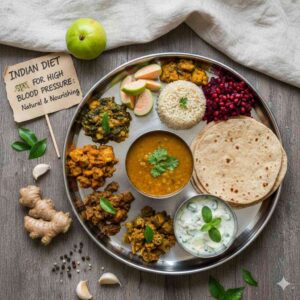
Traditional Indian foods such as millets, lentils, curd, and fresh vegetables provide excellent nutrition and support overall health.
Stay Physically Active
Regular physical activity helps maintain a healthy weight and improves cardiovascular health.
Recommended activities include:
- Walking
- Yoga
- Cycling
- Swimming
- Dancing
Health experts recommend at least 30 minutes of moderate physical activity most days of the week.
Manage Stress Effectively
Healthy stress-management techniques include:
- Meditation
- Yoga and breathing exercises
- Spending time in nature
- Practicing mindfulness
- Maintaining a healthy work-life balance
Avoid Smoking and Limit Alcohol
Smoking significantly increases the risk of cancer, heart disease, and respiratory illnesses. Limiting alcohol intake also helps protect liver and heart health.
Reduce Salt Consumption
Excessive salt intake can raise blood pressure and increase cardiovascular risk. Monitoring daily sodium consumption is an important preventive step.
Get Adequate Sleep
Adults generally require 7–8 hours of quality sleep each night. Poor sleep can increase the risk of obesity, diabetes, and mental health problems.
Regular Health Check-Ups
Routine medical screenings help detect diseases early and prevent serious complications.
Common health checks include:
- Blood sugar tests
- Blood pressure monitoring
- Cholesterol screening
- Cancer screening tests
Role of Technology and Health Initiatives
- Technology is playing an important role in improving health awareness and preventive care.
- Digital health tools such as fitness tracking apps, smartwatches, and telemedicine platforms allow individuals to monitor their health and access medical advice more easily.
- Government initiatives and public health campaigns also play a crucial role in promoting preventive healthcare and reducing the burden of lifestyle diseases.
Conclusion
Lifestyle diseases are becoming a major health challenge in India. Rapid urbanization, unhealthy diets, chronic stress, and sedentary lifestyles have contributed to a growing burden of non-communicable diseases across the country.
However, many of these conditions are largely preventable. By adopting healthier habits, maintaining balanced diets, staying physically active, managing stress, and undergoing regular health check-ups, individuals can significantly reduce their risk.
Reference
- https://www.pib.gov.in/Pressreleaseshare.aspx?PRID=1540840®=3&lang=2
- https://www.icicilombard.com/health-insurance/wellness/blogs/beware-of-the-rising-lifestyle-related-illnesses-in-india
- https://www.sciencedirect.com/science/article/abs/pii/S2949824424002477
- Udayamathi, M., Sri, S. D., Pramila, S., Ganesh, M., & Dinakarkumar, Y. (2025). Preventing lifestyle disorders: The diet shift in India. Food and Humanity, 4, 100472.
- Bisht, M., Bisht, C. S. S., Gurow, K., Joshi, D. C., Sangma, D. D., Lohit, H., & Tripathi, M. (2026). Overview of lifestyle-related metabolic disorders. In Plant-Based Drug Discovery (pp. 3-12). Academic Press.
- https://www.researchgate.net/publication/394252534_Lifestyle_disorders_among_Indian_youth_A_growing_concern
- https://theindianpractitioner.com/economic-survey-2025-highlights-rising-burden-of-lifestyle-diseases/