
Introduction
In today’s world, a healthy eating diet is more important than ever. As there is a rise of unhealthy lifestyle changes and changes in our meal resulting in disorders such as obesity, diabetes, and cardiovascular diseases. Coming back to healthy eating habits is the only way to get rid of the disorders. Healthy eating is not about starving the body or following strict restrictions, it is all about a balanced diet for overall growth of an individual.
What is Healthy Eating?
Healthy eating is consuming a balanced variety of food which includes the right proportion of macronutrients and micronutrients. Macronutrients: Carbohydrates, proteins, and fats. Micronutrients such as vitamins and minerals. Proper hydration is also a key component, as water supports circulation, digestion and temperature regulation. It also includes minimally foods like fruits, vegetables, whole grains, nuts and seeds. Limiting excessive sugar , salt and unhealthy fats have a major part in healthy eating.
Understanding the Core Nutrients
A healthy eating guide is incomplete without understanding the core nutrients. These nutrients are broadly classified into macronutrients and micronutrients.
Macronutrients:
Carbohydrates
It is a body’s primary source of energy. Complex carbohydrates such as whole grains, brown rice, oats, and vegetables provide sustained energy and are rich in fiber.
Proteins
These are essential for growth, metabolism and immune function. Good sources include legumes, pulses, eggs, dairy products, fish, and lean meats.
Healthy fats
It is necessary for brain function, hormone production, and absorption of fat-soluble vitamins. Unsaturated fats found in nuts, seeds, avocados, and olive oil are beneficial.
Micronutrients:
Vitamins and minerals
These are micronutrients required in small amounts but are crucial for immunity, bone health, metabolism, and overall body regulation. Fruits, vegetables, and whole foods are rich sources of these essential nutrients.
Fiber and Water
It supports digestion, gut health, and proper metabolic functioning.
Building a Balanced Plate
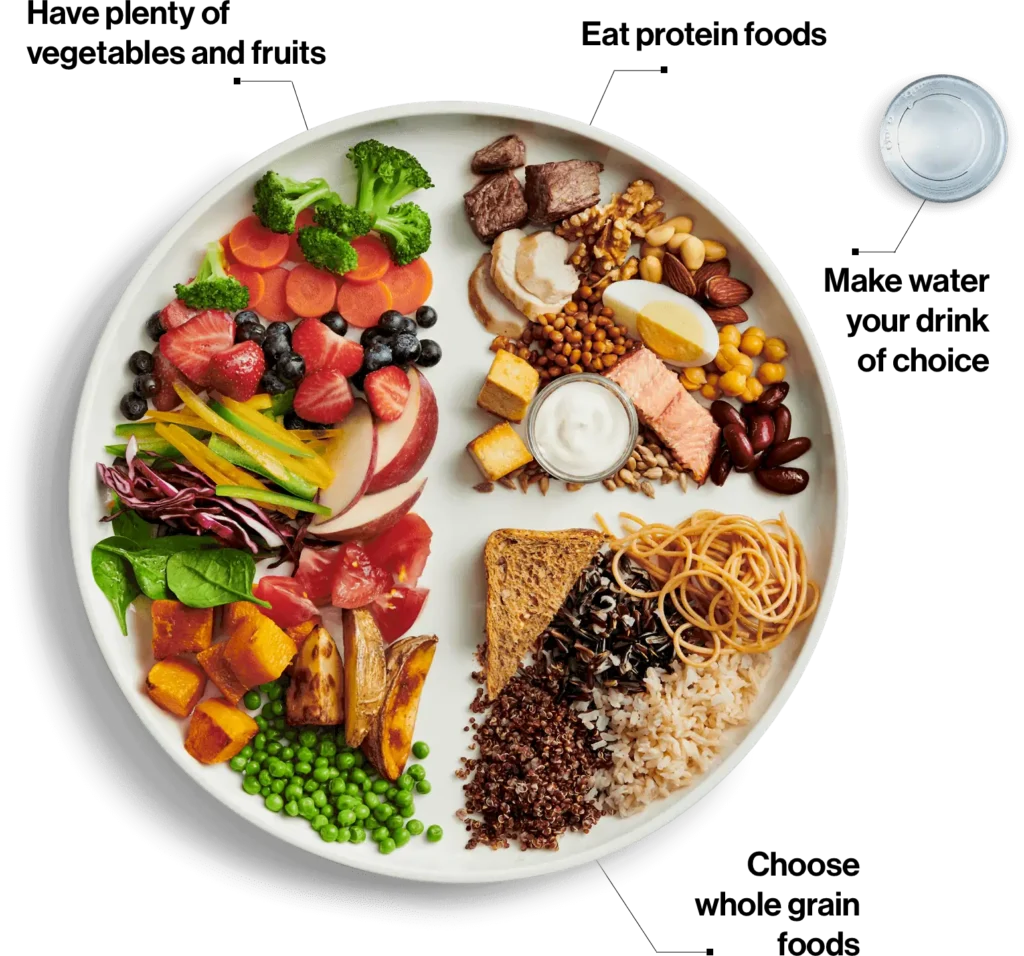
- Building a balanced plate is one of the simplest and most practical steps in a healthy eating guide. Ideally, half of the plate should be filled with vegetables and fruits, as they are rich in vitamins, minerals, antioxidants, and fiber.
- One quarter of the plate should consist of protein sources such as legumes, beans, eggs, fish, tofu, or lean meats.
- The remaining quarter should include whole grains like brown rice, whole wheat, millets, or oats.
Foods to Include in a Healthy Eating Guide
- Fruits and vegetables should form the foundation of daily meals, as they are rich in vitamins, minerals, antioxidants, and dietary fiber.
- Whole grains such as brown rice, whole wheat, oats, and millets are excellent sources of complex carbohydrates and fiber.
- Lean protein sources like legumes, beans, lentils, eggs, fish, and poultry.
- Nuts and seeds, including almonds, walnuts, chia seeds, and flaxseeds, provide healthy fats and important micronutrients.
- Additionally, fermented foods such as curd and buttermilk promote gut health by supporting beneficial microorganisms.
Foods to Limit or Avoid
- Highly processed foods such as packaged snacks, instant noodles, and ready-to-eat meals often contain excessive amounts of salt, unhealthy fats, and preservatives, which may negatively affect overall health.
- Sugary beverages like soft drinks and energy drinks contribute to excess calorie intake and increase the risk of obesity and type 2 diabetes.
- Foods rich in trans fats and deep-fried items can raise bad cholesterol levels and increase the risk of heart disease. Additionally, excessive salt consumption may lead to high blood pressure.
Practical Tips for Maintaining Healthy Eating
- Meal planning is an effective strategy that helps ensure balanced nutrition while preventing impulsive consumption of unhealthy foods.
- Preparing meals in advance saves time and promotes better portion control.
- Reading food labels is another important practice, as it allows individuals to monitor sugar, salt, fat content, and added preservatives in packaged products.
- Eating mindfully by paying attention to hunger cues and avoiding distractions such as mobile phones or television during meals can improve digestion and prevent overeating.
- Staying hydrated is equally essential, as water supports metabolism, digestion, and overall body function.
Common Mistakes People Make
One common error is skipping meals, particularly breakfast, which may reduce energy levels, affect concentration, and lead to overeating later in the day. Another frequent mistake is relying on extreme diets that eliminate entire food groups, often resulting in nutrient deficiencies and short-term weight loss followed by weight regain. Many people also ignore portion sizes, assuming that healthy foods can be consumed in unlimited quantities, which can still lead to excess calorie intake.Over-restricting carbohydrates or fats may disturb the body’s nutritional balance. Emotional eating, influenced by stress or boredom, is another overlooked factor.
Conclusion
Healthy eating is not a temporary diet plan but a lifelong commitment to nourishing the body with balanced and wholesome foods. It focuses on moderation, variety, and mindful choices rather than strict restrictions. Small and consistent changes such as choosing whole grains over refined options, increasing fruit and vegetable intake, and staying hydrated can make a significant difference over time. By adopting sustainable habits and avoiding extreme approaches, individuals can improve their overall well-being. In the long run, healthy eating supports better immunity, stable energy levels, disease prevention, and a higher quality of life.
Frequently Asked Questions
1. What is the difference between healthy eating and dieting?
Healthy eating is a long-term balanced lifestyle that supports overall health. Dieting is usually temporary and mainly focused on weight loss.
2. How many meals should I eat daily?
Most people benefit from three balanced meals with 1–2 healthy snacks. The ideal number depends on individual needs and activity levels.
3. Are carbohydrates bad?
No, carbohydrates are the body’s main energy source. Complex carbs are healthy, while refined carbs should be limited.
4. Can healthy eating help with weight loss?
Yes, balanced nutrition and portion control support healthy weight management. It promotes gradual and sustainable results.
5. Is healthy eating expensive?
Not necessarily; seasonal fruits, vegetables, and whole grains are affordable. Planning meals can reduce overall food expenses.
6. How much water should I drink daily?
On average, 2–3 liters per day is recommended. Needs vary based on climate and physical activity.
7. Can I eat junk food occasionally?
Yes, occasional treats are fine in moderation. Balance is more important than complete restriction.
8. Does healthy eating improve gut health?
Yes, fiber-rich and fermented foods support beneficial gut bacteria. A healthy gut improves digestion and immunity.
9. Can vegetarians follow a healthy eating guide?
Yes, a well-planned vegetarian diet can provide all essential nutrients. Including legumes, dairy, nuts, and whole grains ensures balance.
10. How long does it take to see results?
Improved energy and digestion may appear within weeks. Long-term benefits develop with consistent healthy habits.
References
- World Health Organization (WHO). Healthy Diet Fact Sheet.
- Food and Agriculture Organization (FAO). Dietary Guidelines and Nutrition Resources.
- Centers for Disease Control and Prevention (CDC). Healthy Eating for a Healthy Weight.
- National Institute of Nutrition (ICMR-NIN). Dietary Guidelines for Indians.
- Harvard T.H. Chan School of Public Health. Healthy Eating Plate Guidelines.
Reviewed by: Nitin Sharma


