
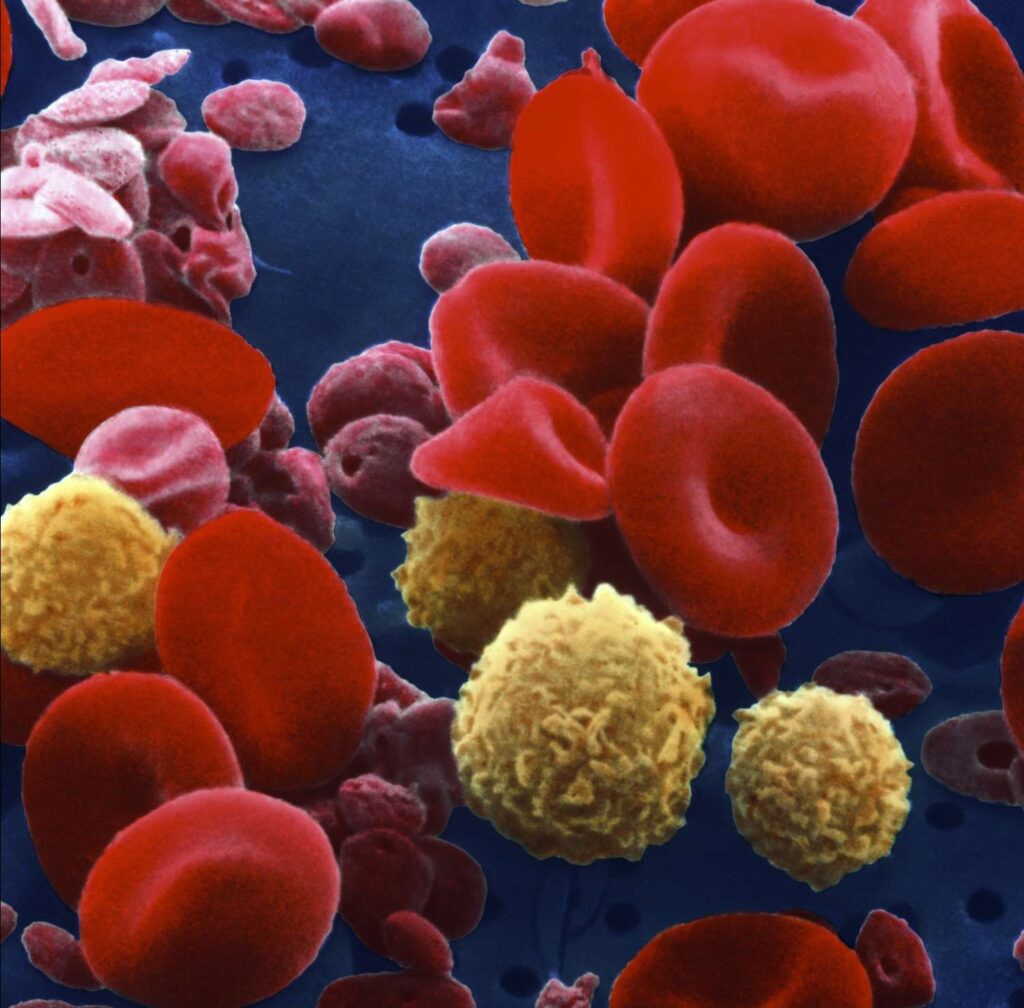
Introduction
Blood is an important fluid that circulates in our bodies, carrying oxygen, nutrients, and removing waste products. Blood also helps in combating infections and helping the body to heal after injuries.
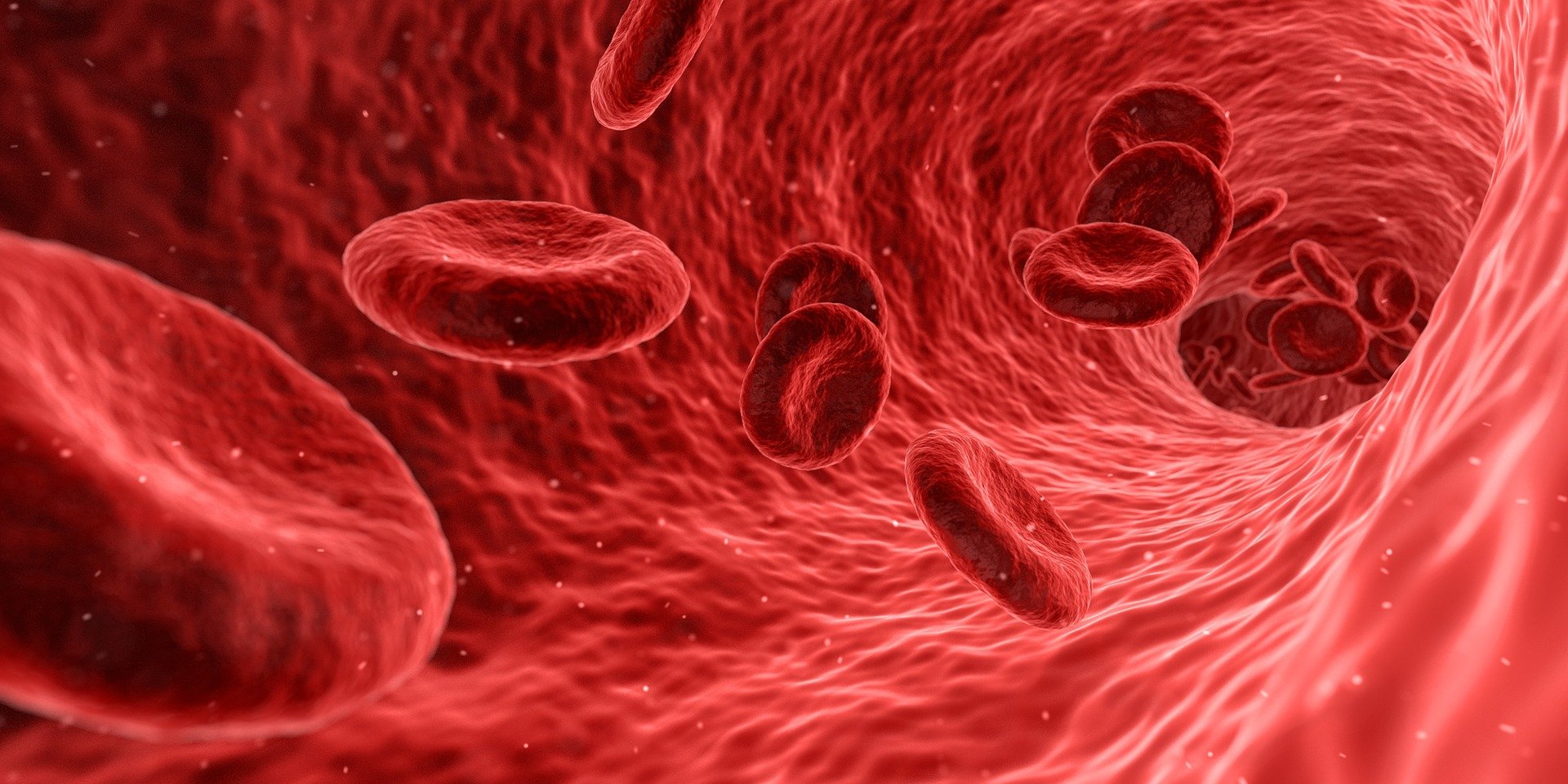
Blood is not just a simple red liquid but rather a complex mixture of several components that work together. Each component has its own specialized function.
Learning about the components of blood is the key to understanding how the body performs its functions, such as the transport of oxygen, protection against diseases, and prevention of excessive bleeding.
Secondly, it provides information to doctors that can help diagnose blood disorders such as anaemia, infections, and blood disorders.
In this article, we discuss the four components of blood: plasma, red blood cells, white blood cells, and platelets, as well as their overall contribution to health.
What Is Blood?
Blood is a specialized connective tissue that circulates throughout the body via the cardiovascular system. In an average adult, the body contains about 4.5 to 6 liters of blood, which continuously flows through arteries, veins, and capillaries.
The main functions of blood include:
- Carries oxygen from the lungs to tissues
- Transports nutrients and hormones to cells
- Takes away waste products such as carbon dioxide
- Fight against infections
- Responsible for blood clotting to prevent too much bleeding
- Controls the body temperature and pH balance
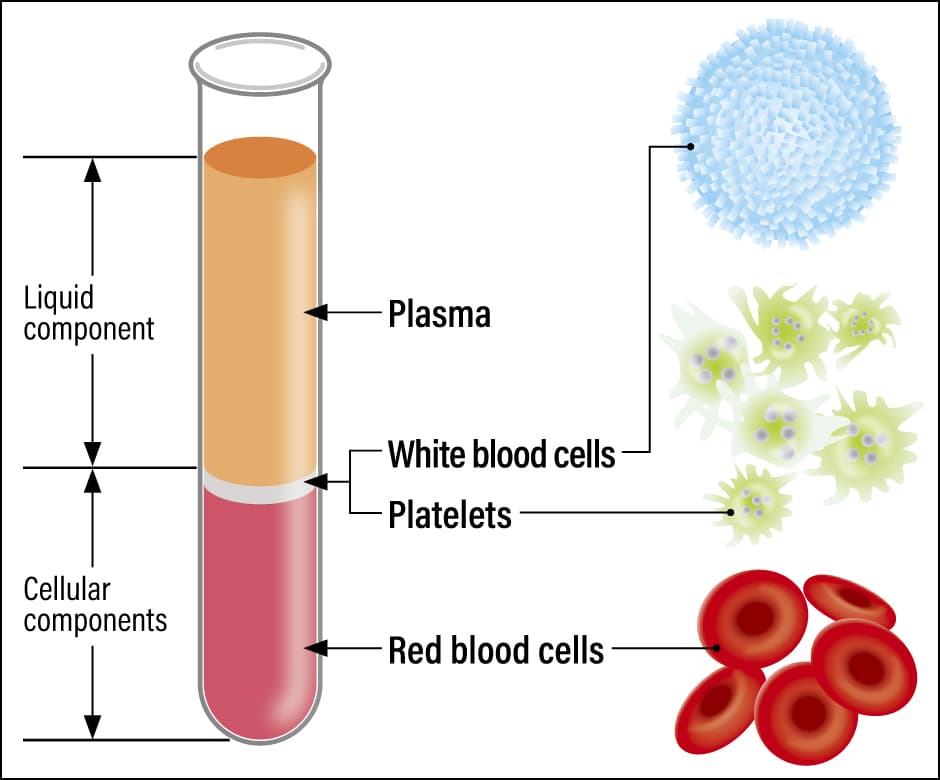
The liquid part of blood is called plasma and is about 55% of blood volume, and the other 45% is made up of blood cells, including red blood cells, white blood cells, and platelets.
The Four Main Components of Blood
1. Plasma
Plasma is the liquid part of blood that is pale yellow, making up the largest part of blood by volume.
About 90% of plasma is water and 10% contains substances such as:
- Proteins
- Hormones
- Electrolytes
- Nutrients
- Waste products
- Clotting factors
Its main function is to transport substances all around the body. It also helps in distributing nutrients and hormones to tissues. Albumin is an important protein in plasma that balances fluid in the body. Plasma also contains immunoglobulins, also known as antibodies, that fight infections.
In medical settings, plasma can be separated from whole blood and used in plasma transfusions to treat patients with clotting disorders, severe burns, or liver disease.
2. Red Blood Cells (Erythrocytes)
Another name for red blood cells is erythrocytes, and they are made in the bone marrow. They make up 25% of blood, making them the most plentiful in the blood. Their main function is to carry oxygen from the lungs to tissues all around the body. They carry oxygen using a protein called hemoglobin that gives blood its characteristic red color.
Red blood cells have a small size and a biconcave shape, which enables them to move easily through narrow blood vessels. Such a structure helps blood cells to carry oxygen efficiently to body tissues. Red blood cells live for up to 120 days, and old red blood cells are removed from the circulation by an organ called the spleen.
A low red blood cell or hemoglobin count results in a condition known as anemia, which is characterized by fatigue, weakness, and shortness of breath
3. White Blood Cells (Leukocytes)
White blood cells, or leukocytes, are an important part of the immune system. Their main role is to protect the body against infections and foreign substances.
White blood cells are only about 1% of blood and do not contain hemoglobin, but still play an important part in defending the body
There are several types of white blood cells, including:
- Neutrophils – the most abundant white blood cells that fight bacterial infections
- Lymphocytes – produce antibodies and regulate immune responses
- Monocytes – remove dead or damaged cells
- Eosinophils – destroy parasites and cause allergic reactions
- Basophils – release substances involved in inflammation
The bone marrow produces white blood cells, and an abnormal count of white blood cells is an indicator of infections, immune disorders, or blood cancers such as leukemia.
4. Platelets (Thrombocytes)
Platelets are responsible for blood clotting and are small fragments. They are also called thrombocytes.
Platelets rapidly congregate at the site of a blood vessel injury and form a temporary plug to halt bleeding. Additionally, they produce chemicals that activate blood-clotting factors, resulting in the formation of a stable blood clot.
Platelets live up to about 7-10 days and are also made in the bone marrow
Thrombocytopenia is a condition in which the body has an abnormally low count of platelets. In this condition, a person may experience symptoms such as easy bruising, prolonged bleeding, or frequent nosebleeds.
How the Components of Blood Work Together
Blood components work as a team to maintain normal body functions. For example:
For example:
- Red blood cells carry oxygen to tissues.
- Plasma transports nutrients and hormones throughout the body.
- White blood cells protect against infections.
- Platelets form blood clots to stop excessive bleeding when injuries occur.
Together, these components support the body’s ability to survive, grow, and respond to illness.
Any abnormality in these components can lead to blood disorders, which may affect oxygen transport, immune defense, or clotting ability.
Why Understanding Blood Components Is Important
Understanding the components of blood is important for both healthcare professionals and the general public. Many diseases and medical conditions are related to abnormalities in blood components.
For example:
- Anemia occurs when red blood cell levels are too low.
- Leukemia involves abnormal white blood cell production.
- Hemophilia affects clotting factors in plasma.
- Thrombocytopenia results from low platelet counts.
Doctors often use blood tests such as the Complete Blood Count (CBC) to measure the levels of different blood components. These tests help diagnose illnesses, monitor treatments, and assess overall health.
Blood component knowledge is also essential in blood transfusion medicine, where whole blood is separated into individual components so that each part can be used to treat specific medical conditions.
Conclusion
Blood is a complex and essential fluid that performs many life-sustaining functions in the human body. Although it may appear simple, it comprises several specialized components that work together to maintain health.
The four main components of blood are plasma, red blood cells, white blood cells, and platelets. Each plays an important role in transporting oxygen and nutrients, fighting infections, and preventing excessive bleeding.
Understanding these components helps explain how the body functions and why certain diseases occur. It also highlights the importance of blood tests and medical care in diagnosing and treating blood-related conditions.
By learning more about the components of blood, we gain a better understanding of how the body maintains balance and protects itself from illness.
FAQs (Frequently Asked Questions)
1. What are the main components of blood?
The four main components of blood are plasma, red blood cells, white blood cells, and platelets. Each plays a unique role in maintaining the body’s normal functions.
2. What is the function of plasma in blood?
Plasma is the liquid part of blood that transports nutrients, hormones, proteins, and waste products throughout the body. It also contains antibodies and clotting factors.
3. Why are red blood cells important?
Red blood cells carry oxygen from the lungs to body tissues using hemoglobin. They are essential for energy production and overall body function.
4. What do white blood cells do?
White blood cells help protect the body against infections by identifying and destroying harmful microorganisms like bacteria, viruses, and parasites.
5. What is the role of platelets in the body?
Platelets help in blood clotting. They form a plug at the site of injury and work with clotting factors to stop bleeding.
Written by Girlie Tambirai Mapere
Reviewed by Nitin Sharma
References
- Cappellini MD, Motta I. Anemia in clinical practice—Definition and classification. Blood Transfus. 2015;13(3):325–333.
DOI: https://doi.org/10.2450/2015.0064-15 - Piel FB, Steinberg MH, Rees DC. Sickle cell disease. New England Journal of Medicine. 2017;376:1561–1573.
DOI: https://doi.org/10.1056/NEJMra1510865 - Arber DA, Orazi A, Hasserjian R, et al. The 2016 revision to the World Health Organization classification of myeloid neoplasms and acute leukemia. Blood. 2016;127(20):2391–2405.
DOI: https://doi.org/10.1182/blood-2016-03-643544 - Srivastava A, Santagostino E, Dougall A, et al. WFH guidelines for the management of hemophilia. Haemophilia. 2020;26(Suppl 6):1–158.
DOI: https://doi.org/10.1111/hae.14046 - Shallis RM, Wang R, Davidoff A, Ma X, Zeidan AM. Epidemiology of acute leukemia. Blood Reviews. 2019;38:100593.
DOI: https://doi.org/10.1016/j.blre.2019.100593 - World Health Organization. Blood safety and availability. 2023.
- Centers for Disease Control and Prevention (CDC). Blood basics and blood components. 2024.


