Introduction
Blood is a fluid in the human body that fights infections and transports oxygen and nutrients throughout the body. It also forms clots after an injury. When components of the blood (red blood cells, white blood cells, plasma, platelets) are affected, it can lead to a group of disorders known as blood disorders.
Blood disorders can be passed down from parents to children, such as sickle cell anemia, or they can be due to nutritional deficiencies, such as anemia, acquired later in life due to infections, or they can be due to cancer. Some blood disorders develop slowly; some progress faster and will need urgent medical attention.
It is important to recognize the early symptoms of a blood disorder. Timely diagnosis and treatment can save and improve the quality of life. This article explains the most common symptoms, why they occur, and when you should consider seeking medical advice.
What Are Blood Disorders?
Blood disorders occur when the components of blood no longer function properly. Blood is made up of the following components: –
- Red blood cells: transport oxygen around the body
- White blood cells: fight against infections
- Platelets: help in the clotting of blood
- Plasma: the liquid part of blood that carries nutrients, hormones, and proteins
Some common examples of blood disorders include:
- Anemia, where the number of red blood cells or hemoglobin is below normal
- Leukemia, a type of cancer that begins in the bone marrow, affecting white blood cells
- Lymphoma, which affects the lymphatic system and white blood cells in the immune system
- Hemophilia, a bleeding disorder caused by clotting factor deficiencies
- Sickle cell disease, a genetic condition affecting red blood cell shape and function
While the blood disorders have similar warning symptoms, each disorder has its own specific causes and treatments
Why Symptoms of Blood Disorders Occur
The symptoms of blood disorders begin to show because the blood is no longer performing its functions.
For example, symptoms such as fatigue, weakness, and shortness of breath are a result of not enough red blood cells, and hence oxygen delivery to tissues decreases.
If white blood cells are affected, the immune system becomes weaker, making the body open to attack from infections.
When platelets or clotting factors are abnormal, the body may struggle to stop bleeding, resulting in frequent bruising or prolonged bleeding from minor injuries.
Because blood circulates throughout the entire body, problems with blood components can cause symptoms affecting multiple organs and systems.
Common Symptoms of Blood Disorders
The symptoms of blood disorders differ depending on the specific condition. Several signs are commonly associated with blood disorders
Fatigue and Weakness
Continuous fatigue is a common symptom of blood disorders, particularly anemia. This is because the body no longer receives enough oxygen due to a low number of red blood cells, and individuals may feel constantly tired.
Shortness of Breath
When oxygen transport to tissues is reduced, the person may have difficulty in breathing or easily feel breathless during physical activity.
Pale or Yellowish Skin
Paleness is a symptom that results from a low number of red blood cells, while yellowing of the skin known as jaundice, can result from increased breakdown of red blood cells.
Frequent Infections
When white blood cells are abnormal or reduced, the body becomes more susceptible to infections. People may experience repeated illnesses, fevers, or slow recovery from infections.
Easy Bruising or Bleeding
Bleeding disorders can cause symptoms such as:
- Frequent nosebleeds
- Bleeding gums
- Heavy menstrual bleeding
- Bleeding that takes longer than normal to stop
Swollen Lymph Nodes
Lymphoma or leukemia may cause lumps or lymph nodes in the armpits, neck or groin.
Unexplained Weight Loss
Some blood cancers or chronic illnesses can cause unexplained or sudden weight loss
Bone or Joint Pain
Bone or joint pain can be a symptom of certain blood illnesses, including sickle cell disease and leukemia.
Persistent or severe symptoms should be assessed by a healthcare provider, but they do not always indicate a blood issue.
Symptoms Based on the Type of Blood Cell Affected
Different blood components are responsible for different symptoms.
Red Blood Cell Disorders (anemia and sickle cell disease)
Red blood cell disorders interfere with the transport of oxygen.
Common symptoms include:
- Fatigue
- Pale skin
- Dizziness
- Shortness of breath
- Rapid heartbeat
White Blood Cell Disorders (Leukemia and Lymphoma)
White blood cells affect the body’s ability to fight infections and also affect the immune system.
Symptoms may include:
- Frequent infections
- Fever
- Swollen lymph nodes
- Night sweats
- Unexplained weight loss
Platelet and Clotting Disorders (hemophilia and thrombocytopenia)
Platelets and clotting factors form clots after an injury to stop bleeding. When these components are affected, excessive bleeding may occur
Symptoms may include:
- Easy bruising
- Frequent nosebleeds
- Bleeding gums
- Prolonged bleeding from cuts
- Heavy menstrual bleeding
When Should You See a doctor?
Certain blood disorder symptoms may start mildly but get worse over time. It is crucial to speak with a medical expert if you encounter:
- Persistent fatigue or weakness
- Frequent infections
- Unexplained bruising or bleeding
- Sudden weight loss
- Swollen lymph nodes
- Night sweats or fever without a clear cause
Most of the blood disorders can be treated or managed. It is important to have an early diagnosis
How Blood Disorders Are Diagnosed
Blood disorders are diagnosed through several laboratory tests
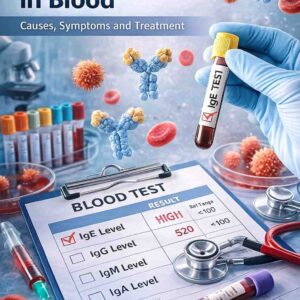
Laboratory tests for diagnosing blood disorders include the complete blood count (CBC), which measures the number of red blood cells, white blood cells, and platelets
Other tests may include:
- A peripheral blood smear is examined under a microscope to identify the size, shape and maturity of blood components
- Bone marrow examination, used to study how blood cells are produced
- Genetic testing, which can detect blood disorders passed down from parents
- Imaging tests, such as CT scans, to evaluate lymph nodes or organs
Using these tests, doctors and healthcare providers can determine the exact cause of symptoms and prescribe the proper treatment
Treatment and Management
Treatment varies depending on the type of blood disorder and its severity.
Treatment options include:
- Medications to control symptoms or treat infections
- Blood transfusions to replenish missing or damaged blood cells
- Clotting factor replacement therapy for bleeding disorders
- Chemotherapy or targeted therapy for blood cancers to destroy abnormal cells
- Dietary supplements, supplementing the diet with iron or vitamin B12, for certain types of anemia
Lifestyle changes, regular medical monitoring, and early treatment can improve the quality of life for people living with blood disorders.
Frequently Asked Questions (FAQs)
1.What is the most common symptom of a blood disorder?
Fatigue is among the most common symptoms because many blood disorders impair the body’s ability to transport oxygen efficiently.
2. Are blood disorders hereditary?
Yes, some blood disorders such as sickle cell anemia, thalassemia, and hemophilia are inherited. Others can be due to nutritional deficiencies, heavy menstrual bleeding or cancers
3. Can blood tests detect blood disorders?
Yes. By examining the blood results through laboratory results from complete blood count, some blood disorders can be spotted
4. Are blood disorders treatable?
Yes, blood disorders can be treated and managed by medications, lifestyle changes, and specialized medical care.
Conclusion
Recognizing the early symptoms of blood disorders is important for timely diagnosis and treatment. It is advised to visit the doctor when symptoms appear. With modern diagnostic tools and treatment options, many blood disorders can be effectively managed, allowing individuals to maintain a healthy and active life.
Written by Girlie Tambirai Mapere
Reviewed by Nitin Sharma
References
- Cappellini MD, Motta I. Anemia in clinical practice—Definition and classification. Blood Transfus. 2015;13(3):325–333.
DOI: https://doi.org/10.2450/2015.0064-15 - Piel FB, Steinberg MH, Rees DC. Sickle cell disease. New England Journal of Medicine. 2017;376:1561–1573.
DOI: https://doi.org/10.1056/NEJMra1510865 - Arber DA, Orazi A, Hasserjian R, et al. The 2016 revision to the World Health Organization classification of myeloid neoplasms and acute leukemia. Blood. 2016;127(20):2391–2405.
DOI: https://doi.org/10.1182/blood-2016-03-643544 - Srivastava A, Santagostino E, Dougall A, et al. WFH guidelines for the management of hemophilia. Haemophilia. 2020;26(Suppl 6):1–158.
DOI: https://doi.org/10.1111/hae.14046 - Shallis RM, Wang R, Davidoff A, Ma X, Zeidan AM. Epidemiology of acute leukemia. Blood Reviews. 2019;38:100593.
DOI: https://doi.org/10.1016/j.blre.2019.100593 - Kassebaum NJ. The global burden of anemia. Hematology/Oncology Clinics of North America. 2016;30(2):247–308.
DOI: https://doi.org/10.1016/j.hoc.2015.11.002