


Introduction
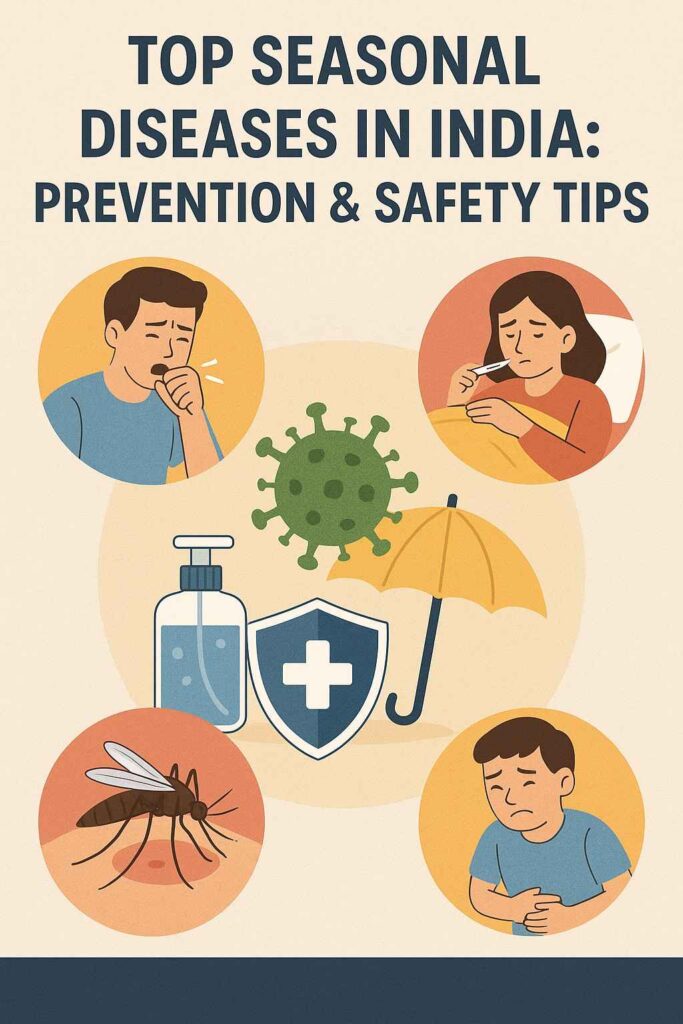
India’s diverse climate is a double-edged sword. While it offers the beauty of all four seasons—hot summers, heavy monsoons, mild springs, and cold winters—it also brings a prime time to cause a variety of seasonal illnesses. Changes in temperature, humidity, and rainfall create favorable conditions that allow bacteria, viruses, and parasites to spread easily. Every year, millions of Indians become sick from preventable seasonal diseases.
Being aware of these diseases, their symptoms, and simple preventive steps can help you and your family stay safe. This article will discuss the top seasonal illnesses in India and offer practical tips to protect your health throughout the year.
How does monsoon lead to a rise in diseases?
During monsoon season, an Increase in precipitation leads to high humidity, as well as waterlogging in areas such as the lower plains in rural areas and Urban areas where the sewage and water drainage system is poor, providing the favorable condition for the bacteria and parasites to grow and develop and become the breeding ground for other diseases like dengue, malaria, and chikungunya.
Monsoon-Related Diseases in India
The monsoon season in India starts in June and lasts till September, and is one of the most challenging times for health. Some of the monsoon diseases include:
1. Dengue and Chikungunya
It is caused by the spread of the Aedes aegypti or Aedes albopictus mosquito, which breeds in standing water, where they lay eggs and their larvae develop.Dengue and chikungunya symptoms include high fever, headache, skin rashes, muscle soreness, and severe joint pain (chikungunya).
How to Prevent?
- Discard any water that has been stored in pots, coolers, or open containers.
- Use nets and repellents for mosquitoes.
- Wear full-sleeved clothes to avoid mosquito bites.
2. Malaria
Caused by the bite of Female Anopheles mosquitoes, which act as vectors and transmit the pathogen Plasmodium malariae (Plasmodium vivax and Plasmodium falciparum, with P. falciparum being the most severe), which enters the bloodstream, leading to infection.Symptoms of malaria include High fever, chills, sweating, nausea, vomiting, and body aches. Consult your doctor if you notice any of such symptoms.
How to prevent it?
- Sleep under insecticide-treated mosquito nets.
- Spray insecticides in and around the house.
- Ensure proper drainage to prevent water stagnation.
3. Leptospirosis
It causes bacterial infections to spread through water contaminated by rat urine, often during floods and in areas with poor sanitation.Leptospirosis symptoms often include fever, headache, muscle pain, jaundice, and red eyes.
How to prevent it?
- Avoid running through floodwater.
- Wear protective boots if unavoidable.
- Maintain good personal hygiene.
4. Diarrheal Diseases & Cholera
Cholera is a bacterial infection caused by the bacterium Vibrio cholerae, spread when consuming contaminated water or food.
While diarrheal disease can be due to a set of underlying health conditions associated with bacteria, viruses, or parasites, leading to watery fluid discharge from the body. Symptoms are Watery diarrhea(due to bacterial infection like cholera), vomiting, dehydration, and abdominal cramps.
How to prevent
- Only drink boiled or filtered water.
- Wash fruits and vegetables before eating.
- Wash your hands properly, or sanitize your hands if you are travelling outside.
5.Typhoid
Also known as enteric fever, it is a bacterial disease caused by Salmonella typhi that spreads through contaminated food and water, especially in areas with poor sanitation.Typhoid symptoms include continuous high fever, fatigue, vomiting, and abdominal pain.
How to prevent typhoid?
- Drink safe water.
- Maintain good hygiene.
- Wash vegetables and fruit before use, and avoid eating undercooked food.
Summer-Related Diseases in India
Usually beginning in March and lasting until June, India’s summer season is characterized by extremely high temperatures, intense heat waves, and, in some areas, food spoilage from high humidity.Some of the major summer-related diseases in India are:
1. Heatstroke & Dehydration
- It is caused by prolonged exposure to extreme heat and insufficient fluid intake, which will ultimately make you sick due to dehydration.
- Symptoms associated with this condition include Dizziness, dry skin, confusion, fainting, and high body temperature.
- If you have any of the symptoms, consult with your doctor accordingly.
Prevention
- Drink water, coconut water, and ORS, and stay hydrated.
- Avoid going out during peak afternoon hours (after noon).
- Wear loose, light-colored cotton clothes that keep your body cool and comfortable.
2. Food Poisoning & Gastroenteritis
- Eating spoiled food or drinking contaminated water in hot weather can cause bacteria and pathogens to infect your stomach, resulting in inflammation, similar to gastroenteritis, which causes food poisoning.
- Symptoms include vomiting, diarrhea, abdominal pain, and a fever. Get yourself medical care and contact your doctor.
Prevention:
- Always eat freshly cooked meals.
- Keep perishable food in the fridge.
- Wash your hands before and after meals.
3. Skin Infections (Fungal & Prickly Heat)
Excessive sweating, high humidity, and poor hygiene can all contribute to skin-related fungal infections, which can be irritating if not treated.
Symptoms typically include red, itchy rashes, blisters, irritation, and skin peeling, as well as white patches around the infected area. Consult a dermatologist if the symptoms last for days.
Prevention:
- Take regular baths and keep your skin dry.
- Wear breathable materials.
- Apply antifungal powder to sweat-prone areas.
Winter-Related Diseases in India
Winter in India begins in November and ends in mid-February, with an increase in cold at higher elevations and in the Himalayan region, bringing chilly winds, fog, and a drop in temperature. During this time, respiratory infections, coughs, the flu, and joint problems are common.
Some of the common diseases of winter are:
1. Common Cold, Flu & Viral Infections
Mainly caused by the viral infections that spread quickly in crowded, closed spaces, they can cause lung infections and sometimes make breathing difficult, symptoms are a Runny nose, cough, sore throat, fever, and fatigue that lasts up to a few days and can be treated with certain precautions.
Prevention:
- Keep yourself warm and properly covered.
- Boost immunity by eating foods high in vitamins.
2. Pneumonia & Bronchitis
- Causes bacterial or viral infections or is due to fungal or chemical exposure, causing irritation, affecting the lungs, which may lead to respiratory disorders and other related illnesses.
- Symptoms include cough with mucus, chest pain, breathing difficulty, and fever.
Prevention:
- Avoid direct exposure to cold air.
- Get flu and pneumonia vaccines if recommended.
- Seek medical help if respiratory symptoms persist.
3. Arthritis flare-ups and joint pain
- Cold weather causes arthritis symptoms to worsen in the individual with pre-existing arthritis.
- Joint stiffness, swelling, and pain, as well as joint immobility, are signs of a serious condition.
Prevention:
- Perform light exercise regularly.
- Compress your joints to keep them warm.
- Maintaining a healthy weight can help reduce strain.
Spring & Seasonal Transition Diseases
As the season transitions between February–March and September–October, it brings fluctuating weather, pollen, and viral outbreaks, which can cause a variety of diseases that need to be looked for.
1. Allergies (Pollen & Dust)
Sometimes, increased pollen in the air during spring can cause hypersensitivity or allergic reactions due to the release of IgE antibodies, especially in asthmatic patients, which requires immediate medical care and attention. Symptoms include Sneezing, a runny nose, watery eyes, and skin irritation.
Prevention
- Wear masks outdoors if you are allergic to airborne particles like pollen or dust.
- Keep windows closed during high pollen hours.
- Consult a doctor for antihistamines.
2. Viral Infections
Common during this season and spread by direct contact or airborne droplets that can lead to chickenpox and measles in Children.Viral Symptoms include Fever, skin rashes, itching, and cough.
Prevention:
- Ensure that children are vaccinated.
- Avoid close contact with infected individuals.
- Maintain proper hygiene and nutrition.
What are the tips to stay safe in all seasons?
Different seasons bring different diseases, which can be prevented by using home remedies at home.
- Eat a well-balanced diet that includes fruits, vegetables, whole grains, and immunity-boosting foods like citrus fruits that are rich in Vitamin C, turmeric, and green tea (if you have a sore throat during a cold).
- Stay Hydrated ve protected from waterborne diseases by drinking clean, safe water in every season.
- Maintain personal hygiene by washing your hands frequently and avoiding eating street food during seasonal changes or outbreaks, as you are more prone to infection.
- Regular exercise can boost your immunity while also helping you maintain a healthy weight.
- Seasonal diseases such as flu, pneumonia, and chickenpox should be vaccinated against, particularly in infants and children at high risk. Follow the doctor’s advice before vaccinating.
- Seek Medical Help in case you have a persistent fever, cough, diarrhea, or body pain.
Latest Nationwide Disease Data (India, 2025)
| Disease/Category | Latest India-Wide Data | % Trend Indicator |
| Dengue (Jan-Oct 2024) | ~186,567 cases & 160 deaths reported nationwide. | High burden, but not the “second-highest ever recorded.” It represents a significant caseload. |
| Chikungunya (2024) | 192,343 confirmed cases. | Still a considerable public health burden. |
| Lymphatic Filariasis (2023) | ~619,000 lymphedema cases & ~150,708 hydrocele cases. | India accounts for ~40% of the global burden. |
| Visceral Leishmaniasis (2024) | India declared the disease eliminated as a public health problem in October 2024. | This is a major achievement; the focus is now on maintaining a zero-case status. |
| Malaria (2023) | India accounted for ~51% of all estimated malaria cases in the WHO SE Asia region. | Despite this regional burden, India has made significant strides, with a 69% drop in cases between 2017 and 2023, and exited the high-burden group in 2024. |
Key points
- Dengue fever was reported in over 2.3 lakh cases across India in 2024, with 13,000+ cases already in 2025. Although this year’s numbers are down so far, local hotspots may spark new surges.
- Chikungunya remains a significant vector-borne threat, with 17,800 confirmed cases and nearly 2.3 lakh suspected cases in 2024.
- Lymphatic Filariasis: India shares approximately 40% of the global burden, making it a persistent public health issue.
- Visceral Leishmaniasis (Kala-azar) with 438 reported cases and 2 deaths in 2024. While the numbers are low, continuous monitoring is critical.
- Malaria cases have dropped dramatically in recent years, but India still accounts for more than half of WHO SEARO’s malaria cases in 2023, demonstrating that the disease remains a public health priority.
Disclaimer: The information provided reflects current seasonal disease trends in India and is intended solely for informational purposes. Figures may change based on updated reports and official health statistics.
Conclusion
Because of India’s diverse climate, we face unique seasonal health challenges. Every season requires different precautions, from mosquito-borne diseases in the monsoon to respiratory problems in the winter and heat-related issues in the summer.
Most seasonal illnesses can be avoided by maintaining hygiene, eating healthy, staying hydrated, and protecting yourself from environmental triggers. Early diagnosis and timely treatment are critical to avoiding complications. Remember that taking a few precautions can help you and your family stay safe all year.
FAQs
Which season is most risky for health in India?
Waterborne and mosquito-borne diseases make the monsoon season a high-risk time of year.
How can I increase my immunity when the seasons change?
Consume foods high in vitamin C, drink plenty of water, get enough sleep, and exercise frequently.
What are the most common summer diseases in India?
Skin infections, food poisoning, dehydration, and heatstroke are all very common.
Can we avoid seasonal illnesses?
Yes, with hygiene, clean drinking water, mosquito control, and timely vaccinations, most seasonal diseases can be prevented.
When should I see a doctor for a seasonal illness?
If fever, diarrhea, cough, or breathing issues last more than 2 days, talk to a doctor immediately.
Which test is most suitable to diagnose dengue malaria?
For dengue, the most accurate tests are the NS1 antigen test and PCR (Polymerase Chain Reaction), which can detect the virus early in the infection.
Which test is best for malaria diagnosis?
The malaria parasite test and the malaria antigen test are the recommended tests for malaria because they help verify the parasite’s presence. Effective disease management requires early diagnosis.
What are the tests to diagnose typhoid fever?
The gold standard for diagnosing typhoid fever is blood culture. There are also quick tests like the Typhi Dot and Widal tests, but they have some drawbacks. A bone marrow culture may be carried out for confirmation in severe or complex cases, in addition to stool and urine cultures.