


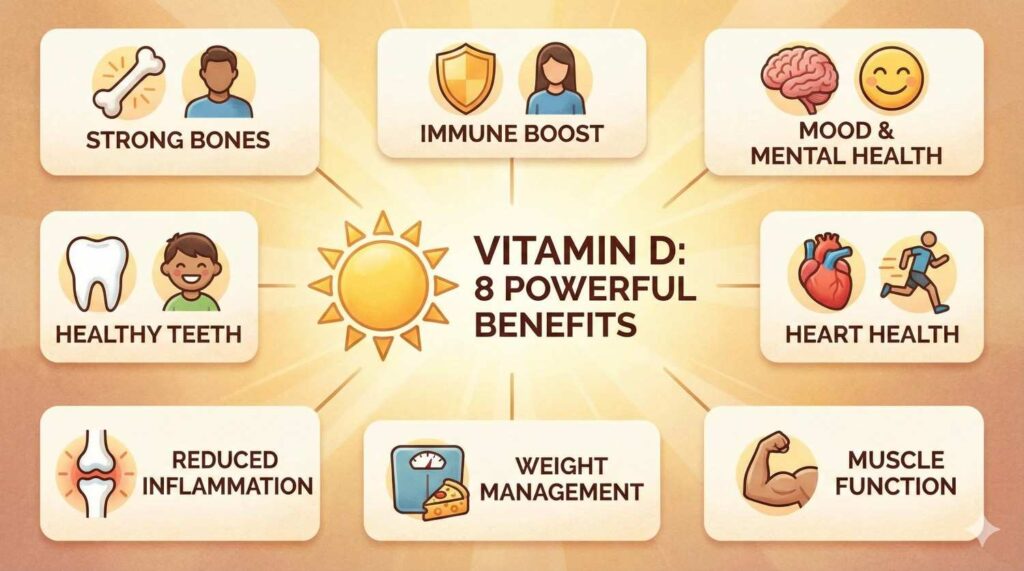
Vitamin D, often called the sunshine vitamin, is one of the essential nutrients your body needs for overall health and well-being. It promotes bone health by absorbing calcium, supporting immune function, and enhancing mood, among other benefits. Regardless of its importance, Vitamin D deficiency is a global issue, affecting people of different age groups and regions worldwide.
This article will help you explore the top benefits of Vitamin D, its sources, its effect on different body systems, and why maintaining healthy levels is essential for a long, active life.
1.Promotes Bone Health and Prevents Fractures
Vitamin D is essential for calcium absorption in the intestines. Without it, your body cannot absorb sufficient calcium from your diet, which can lead to weak bones, brittleness, and a higher risk of fractures.
In children, a deficiency of Vitamin D can cause rickets, a condition where bones become soft and weak. In adults, it can result in softening of bone (osteomalacia) and weakening of bone (osteoporosis), both of which increase the chance of fractures.
Key Benefits:
- Improves Bone density
- Prevents bone disorders
- essential for healthy teeth and skeletal structure
2. Enhance Immunity
Vitamin D modulates the immune system, assisting your body’s defense against pathogens such as bacteria and viruses. It enhances the function of immune cells, such as T-cells and macrophages, which are responsible for detecting and eliminating harmful invaders.
Why is it important?
- Reduces the risk of respiratory infections, including colds and flu.
- It may lessen the severity of autoimmune conditions like multiple sclerosis and rheumatoid arthritis.
- Helps fight chronic inflammation
Recent studies have reported that good Vitamin D levels may reduce the risk of complications from infections like COVID-19, but more research is needed.
3. Improves Mood and Reduces Anxiety
Low vitamin D levels are strongly associated with mood disorders, such as depression, anxiety, and seasonal affective disorder (SAD). Serotonin, an important neurotransmitter that affects mood regulation, is produced in part by this vitamin.
Mental health benefits:
- Reduces symptoms of mild to moderate depression.
- May improve brain function and memory.
- My help stabilizes mood and energy levels.
A 2020 study published in Nutrients found that individuals with depression who received Vitamin D supplementation showed significant improvement in mood over time.
4. Supports Heart Health
Vitamin D receptors are found throughout the body, including the heart and blood vessels. Low Vitamin D levels have been linked to elevated blood pressure, heart disease, and strokes.
Although the research is still ongoing, evidence suggests that optimal Vitamin D levels may help:
- Control blood pressure
- Reduce blood vessel inflammation
- Support cardiovascular function.
Maintaining healthy levels may help to lower the risk of heart attacks and coronary artery disease.
5. Enhances muscle strength and function.
Vitamin D plays a key role in muscle development and function to maintain muscle integrity, especially in older adults. Deficiency affects the muscle strength, leading to muscle weakness, cramps, and poor coordination, with a high risk of falls and injuries.
Key Benefits:
- Supports muscle contraction and recovery
- Helps prevent chronic diseases like sarcopenia (age-related muscle loss)
- Aids in athletic performance and physical endurance
Many sports doctors recommend that athletes maintain adequate Vitamin D levels to improve post-exercise recovery and reduce the risk of muscle injury.
6. Weight Management
Some research indicates a link between vitamin D levels and body weight. Deficiency may increase the risk of weight gain, insulin resistance, and difficulty losing fat.
While Vitamin D doesn’t cut your calories directly, it may:
- Enhance insulin sensitivity
- Regulate appetite hormones.
- Reduce fat accumulation by affecting fat cells.
Obese people frequently have lower levels of circulating Vitamin D, which is due in part to the vitamin’s storage in fat tissue, reducing its bioavailability.
7. May Lower Risk of Chronic Diseases
New research suggests that long-term Vitamin D deficiency may contribute to the development of chronic illnesses, such as:
- Type II Diabetes
- Certain cancers (such as colorectal, breast, and prostate
- Autoimmune disorders (such as lupus and MS)
- Alzheimer’s and cognitive decline
While vitamin D alone cannot prevent or cure these conditions, maintaining adequate levels may reduce the risk or slow their progression.
8. Essential for a healthy Infant and Pregnancy
Pregnant women with low Vitamin D levels are at higher risk of:
- premature birth
- pregnancy-related diabetes
- High BP-like conditions during pregnancy (Preeclampsia)
- Low birth weight in babies
Vitamin D is necessary for healthy development, immunological response, and bone growth in infants. Since breast milk might not supply enough vitamin D, pediatricians frequently advise vitamin D drops for breastfed infants.
How does Vitamin D help in disease prevention?
-
Osteoporosis:Particularly in older adults, getting adequate calcium and vitamin D helps slow bone loss. This can lower the chance of fractures due to osteoporosis.
-
Cancer:Higher vitamin D levels may be associated with a lower risk of some cancers, such as breast and colon cancer, according to some research. More research is necessary to confirm any protective effects of supplementation, as the available evidence is conflicting.
-
Mental Well-Being:Cognitive decline is linked to low vitamin D levels, particularly in older adults. There is insufficient data to determine whether supplements can enhance memory or prevent dementia, even though observational studies indicate a connection.
-
Hereditary Bone Disorders:Familial hypophosphatemia (low phosphate level) is one of the genetic bone disorders that can be treated with vitamin D because the body is unable to use or absorb the vitamin efficiently.
-
Multiple Sclerosis:Some research findings suggest that those who consume more vitamin D over an extended period of time may be less likely to develop multiple sclerosis. However, there isn’t enough data to support the recommendation of supplements for prevention alone.
-
Osteomalacia:Vitamin D deficiency in adults can cause softening of bones, known as osteomalacia. Supplements are used as a standard treatment in such cases.
-
Psoriasis:Creams containing vitamin D, such as calcipotriene, may help treat plaque-type psoriasis by reducing the growth of skin cells.
-
Rickets:A rare condition in children, caused by severe Vitamin D deficiency, making them soft and weak, affecting bone strength. Supplements can prevent and treat rickets effectively.
How to get Vitamin D naturally
Vitamin D sources include sunlight, food, and supplements.
Sunlight Exposure: Get 10–30 minutes of sunlight, 2–3 times per week, on arms, face, or legs
Food Sources: Add a vitamin D-rich diet, such as salmon, mackerel, sardines, Egg yolks, Fortified milk, orange juice, cereals, and Mushrooms, or you may take vitamin supplements. Consult a doctor before taking any supplement doses above 1,000–2,000 IU daily.
Signs of Vitamin D Deficiency
- Frequent infections or slow wound healing
- Bone or back pain
- Fatigue and tiredness
- Low mood or depression
- Hair thinning
- Muscle weakness
How to diagnose Vitamin D deficiency?
A Vitamin D blood test measuring 25(OH)D levels is the most accurate way to assess your Vitamin D status.
How Much Vitamin D Do You Need?
Consult with your doctor before following the table to determine the right dosage for your individual needs.
| Age Group | Gender | RDA (IU/day) | Upper Limit (IU/day) |
| 0–6 months | Male/Female | 400 | 1,000 |
| 7–12 months | Male/Female | 400 | 1,500 |
| 1–3 years | Male/Female | 600 | 2,500 |
| 4–8 years | Male/Female | 600 | 3,000 |
| 9–18 years | Male/Female | 600 | 4,000 |
| 19–70 years | Male/Female | 600–800 | 4,000 |
| 71+ years | Male/Female | 800 | 4,000 |
| Pregnancy (any age) | Female | 600–800 | 4,000 |
| Breastfeeding (any age) | Female | 600–800 | 4,000 |
Point to note:
- IU stands for International Units
- Recommended daily intake (RDA) may differ slightly by country or medical guidelines.
- Medical supervision may be required for Individuals with certain health conditions.
Conclusion
Vitamin D is an essential hormone-like substance that affects your mood, muscle function, immune system, and more. Although it is easily obtained through diet and sunlight, deficiency is still common because of pollution, sunscreen use, and modern indoor lifestyles.
Make sure you consume foods high in vitamin D, get moderate amounts of sun exposure, and, if necessary, think about taking supplements (with medical advice).
Make vitamin D a priority, and your body will appreciate it.